Bogong
Winner · 2026 Venie Holmgren Environmental Poetry Prize
Published 1 September 2026
The bogong moths that once darkened the high country, and the lights of Parliament House.
The southern tablelands of New South Wales: the land, the people on it, and what fire and weather do to both.
PoemsNewsWhere they come fromFor editors
The poem haunts acutely the material before us as moderns, while it travels in mythic time, acutely and ethereally. This is the only poem in all the entries that pierced the regions of my soul. I don’t know why, and I don’t want to reason with it. I trust the primal tellings it conjured in me. I’m in gratitude to the poet. Patrick Jones, judge, on ‘Bogong’
2026 Venie Holmgren Environmental Poetry Prize
Winner · 2026 Venie Holmgren Environmental Poetry Prize
Published 1 September 2026
The bogong moths that once darkened the high country, and the lights of Parliament House.
Cordite Poetry Review Issue 121, No Theme 15
Guest editor Maxine Beneba Clarke · Published 14 August 2026
My first published poem. A reimagining of Cassandra for the modern age, railing against the establishment and wondering why she’s never believed.
Second prize · Winchester Poetry Prize 2026, judge Julia Copus
Winchester Poetry Prize 2026 anthology · Published 10 October 2026
Polydorus on the tide, and a mother who knows her own stitching better than her son’s face.
Shortlisted · Robert Gray Prize for Poetry 2026, 5 Islands Press
Forthcoming in the anthology Oystercatcher Three
Walking in to the forest after a backburn, with the old rule about not looking back. The winner will be announced at an online event in October 2026.
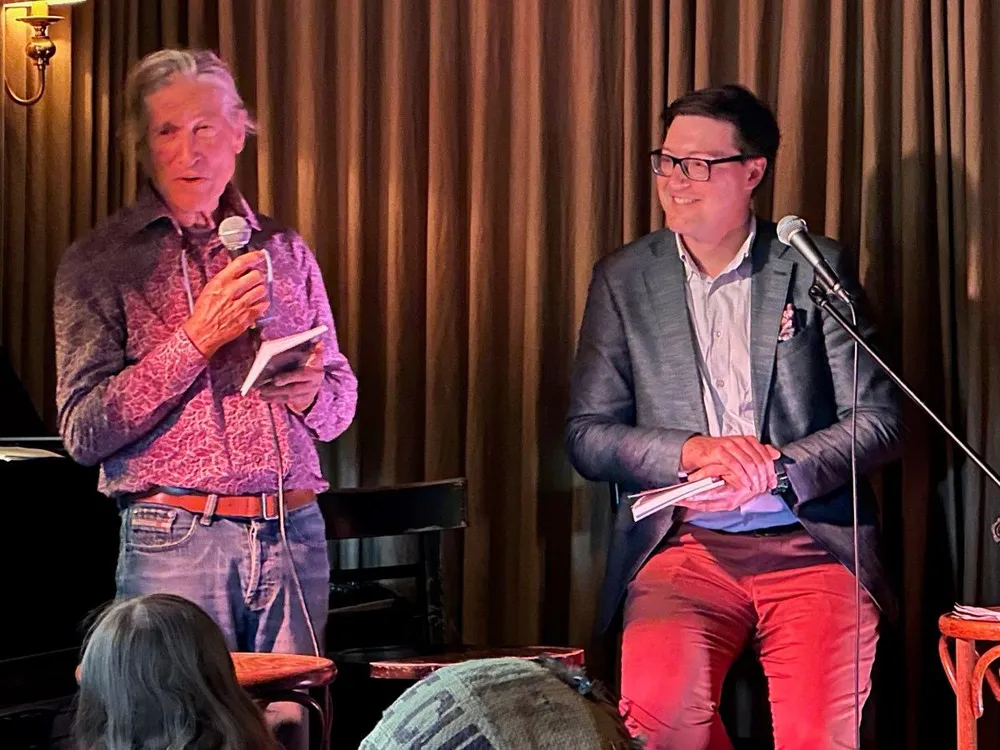
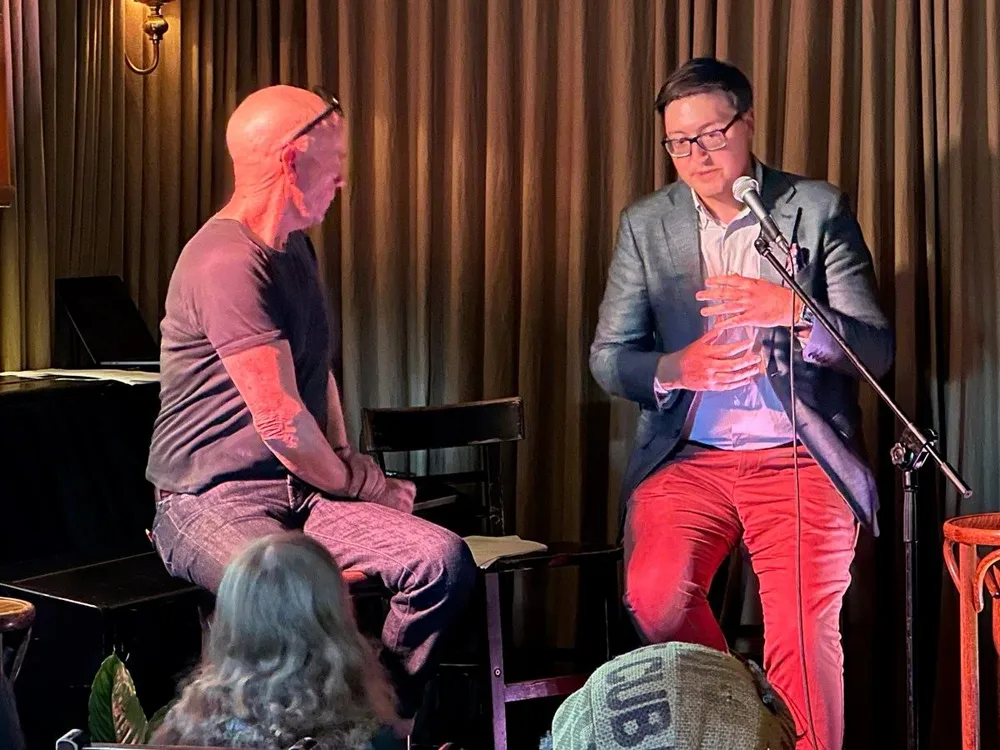
Announced at the prize-giving on Winchester Poetry Day, 10 October, where I read the poem. The judge, Julia Copus, chose the winners from a longlist of 26 poems, all of them published in the prize anthology launched the same day.
All four poems I entered made the shortlist: ‘Antigone’, ‘Cenotaph’, ‘Statement’ and ‘Veronica’. The prize, run by Australian Catholic University since 2013, is one of the country’s richest for a single poem. This year’s theme was ‘Witness’, drawn from Elie Wiesel’s words: ‘For the dead and the living, we must bear witness.’ The poems will appear in the prize anthology. The winners are named at a presentation in Sydney on 5 November.
‘Allocation’ will appear in the Winter 2026 edition of EcoTheo Review, an American quarterly of ecology, spirituality and art. It is my first acceptance from a journal outside Australia.
‘Miles’ made the shortlist. The judge, Clare Shaw, names the winners at the festival’s prize-giving in Cedars Hall on 19 October.
‘Underburn’ is one of 50 poems shortlisted from more than 400 entries by 5 Islands Press. All shortlisted poems appear in the anthology Oystercatcher Three; the winner is announced at an online event in October.
Announced at the Words in Winter festival in Daylesford on 30 August, where I read the poem; the poem and the judges’ report are online at holmgren.com.au.
My first publication, ‘The singing, not the song’, appears in Issue 121.
‘Shearwater’ and ‘Magpies, Year Four’ were both shortlisted in the poetry competition, which puts them in the top 3% of entrants. The shortlist of writers is published on bridportprize.org.uk on 17 October.
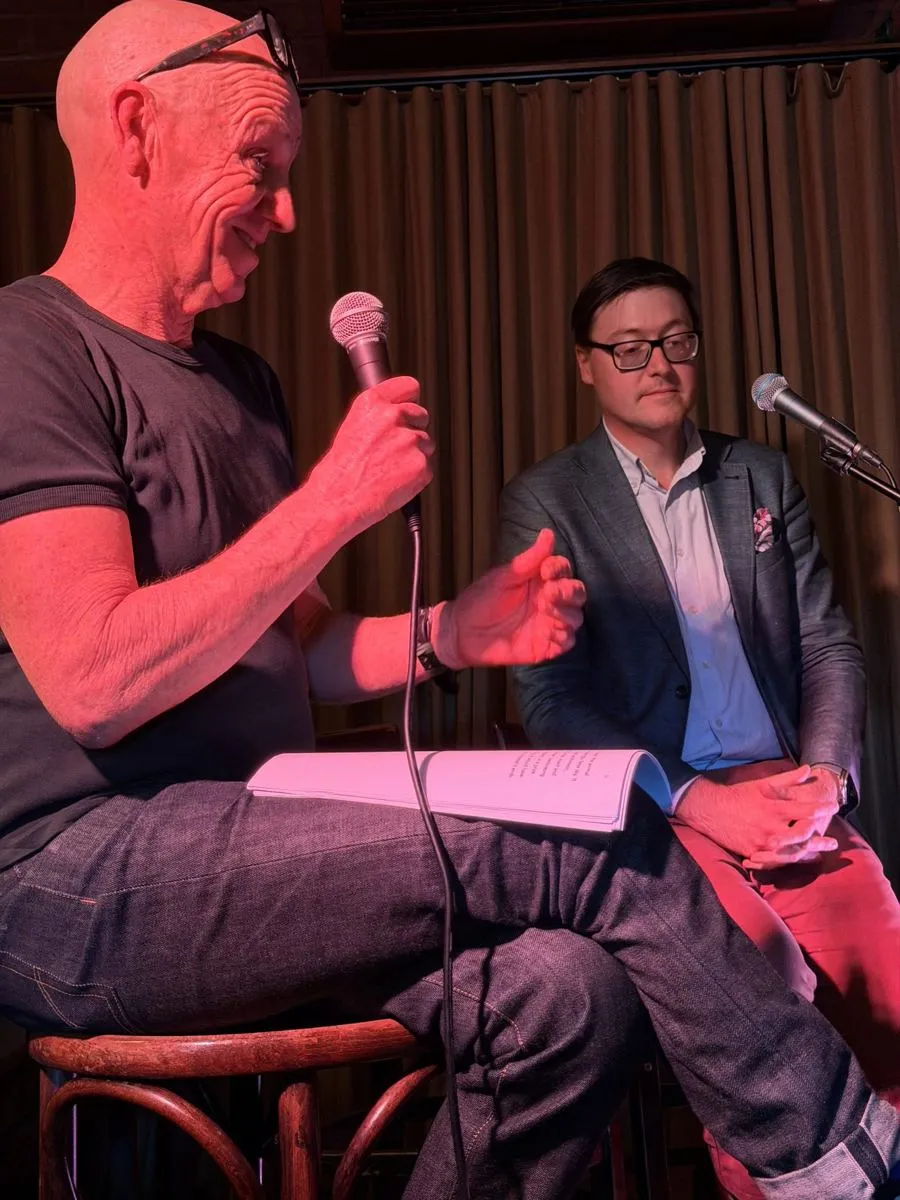
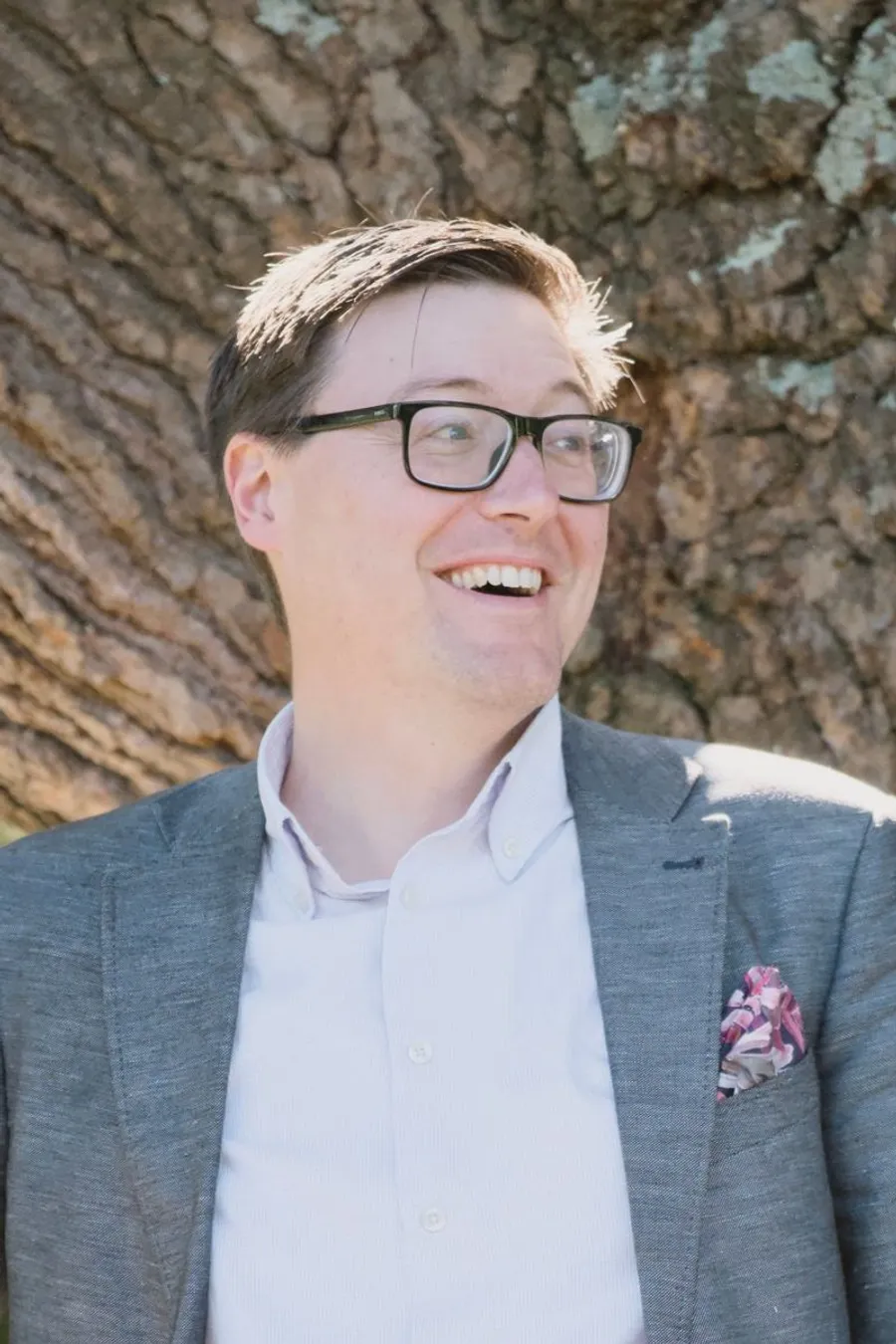
I live and write at Braidwood, in the southern tablelands of New South Wales, Australia, on the unceded Country of the Ngunnawal and Yuin peoples. I am a captain in the local Rural Fire Service brigade and turn out when the pager goes. Most of what I write circles back to the same handful of things: the land, the people on it, and what fire and weather do to both. When it strays, it strays towards myths and rebellion, and sometimes both at once.
2026 is the first year I have sent poems out into the world, and they have travelled further than I expected. ‘Bogong’ won the 2026 Venie Holmgren Environmental Poetry Prize; Patrick Jones, one of the two judges, said it “haunts acutely the material before us as moderns, while travels in mythic time, acutely and ethereally.” ‘Hecuba’ won second prize in the Winchester Poetry Prize 2026, judged by Julia Copus. Two poems, ‘Shearwater’ and ‘Magpies, Year Four’, were shortlisted for the Bridport Prize 2026, and ‘Underburn’ for the Robert Gray Prize for Poetry 2026, and so will be published in the anthology Oystercatcher Three. ‘Miles’ made the shortlist for the Wells Festival of Literature Open Poetry Competition 2026. All four poems I entered for the ACU Prize for Poetry 2026 were shortlisted and will appear in its anthology. ‘The singing, not the song’ appears in Cordite Poetry Review, and ‘Allocation’ is forthcoming in EcoTheo Review.
I write in two registers that keep swapping places: a plain documentary line that comes from radio logs, coronial statements and the shire’s records, and a mythic one in which Penelope or Cassandra find themselves in modern Australia. Longer work in progress includes a verse epic on the Roman civil wars and a play in couplets about Orpheus and Eurydice. My poesis asks of me: precision, and an ear for how words sound to the people who have to hear them.
I read poems on Instagram (@rpbuzby): my own once they are published, and otherwise other people’s, from Clare and Hopkins to Judith Wright and Les Murray, with a few words on why. ‘Bogong’ was the first of mine, read on 6 September 2026, and ‘Hecuba’ followed on 10 October.
Russell Buzby lives on Ngunnawal and Yuin Country at Braidwood, New South Wales, Australia. ‘Bogong’ won the 2026 Venie Holmgren Environmental Poetry Prize.
Russell Buzby lives on Ngunnawal and Yuin Country at Braidwood, New South Wales, Australia, and turns out with the bushfire brigade when the pager goes. He won the Venie Holmgren Environmental Poetry Prize for ‘Bogong’, came second in the Winchester Poetry Prize with ‘Hecuba’, and appears in Cordite Poetry Review.
Russell Buzby lives and writes on Ngunnawal and Yuin Country at Braidwood, in the southern tablelands of New South Wales, Australia. This year his poems have gone further afield: ‘Bogong’ won the Venie Holmgren Environmental Poetry Prize, ‘Hecuba’ came second in the Winchester Poetry Prize, others made the Bridport, Robert Gray and ACU shortlists, and ‘The singing, not the song’ appears in Cordite Poetry Review. He turns out with the bushfire brigade when the pager goes, and what he writes keeps circling back to the land, the people on it, and what fire and weather do to both.